5 Tips to Become A “Master” at Dungeon Mastering
Step 1: Provide the Dice
.
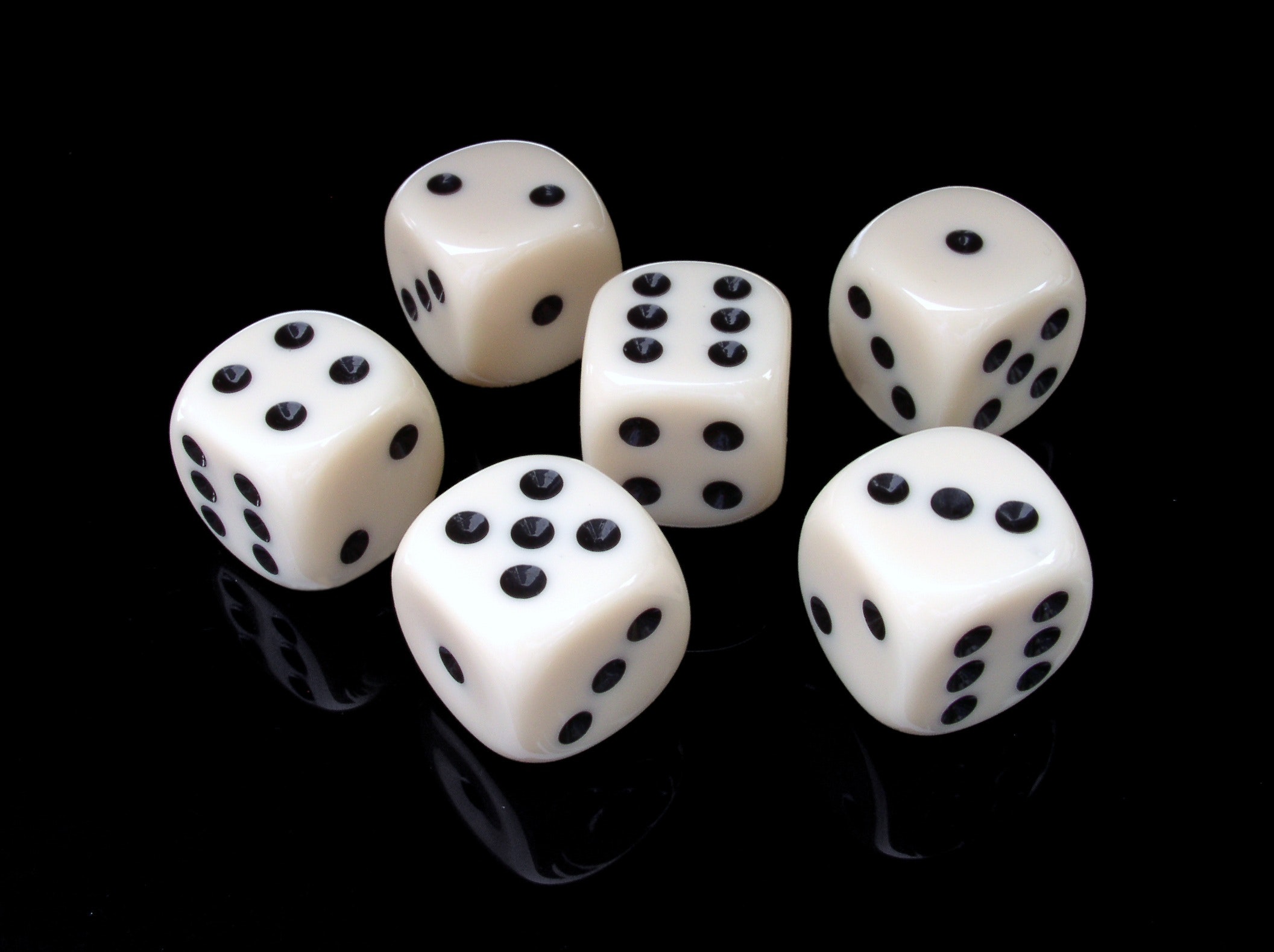
While every Dungeons and Dragon player should come with their set of Playing dice, it customary as A Dungeon master to not only have your own dice but have a collection of dice to calculate beginning stats, monster stats, etc.
In the event that you do not have extra dice, you might want to try rolling you own dice more often during each choice made by players or for an active monster.
If none of the players have dices, you can roll for them.
Step 2: Keep a Record
Every player will come with his or her character sheet, filled out at the start of the campaign and by the end of it. Always filled with info on the character, the items they possessed, the spells they can cast, the weapons they use, and the XP they earn.

As Dungeon Master keeping a small record whilst campaigning. This record could include the basic info about each player
Character name, race, class, stats, and weapons. This record helps you keep track of everyones progress without checking periodically and serves as a failsafe incase someone loses their character sheet for any reason
Step 3: Never overthink
Every Dungeon Master must make use of their D&D books for every campaign, and they are filled with much information on how to run a campaign and the rules of travel, battle, and individual action
A good Dungeon master must not let the many rules of D&D slow or complicate or slow the progress of our adventure.
The extra information on setting, politics, and multiverse designs are only meant to give you more ideas for crafting worlds. However you are in control of the world and can make up anything you want. regardless if they are intricate or simple.
Step 4: Keep you Books Handy
Your D&D Handbooks are your most accurate reference tomes. Any questions about Monsters, Races, the Multiverse, Weapons, Relics, XP, et.c

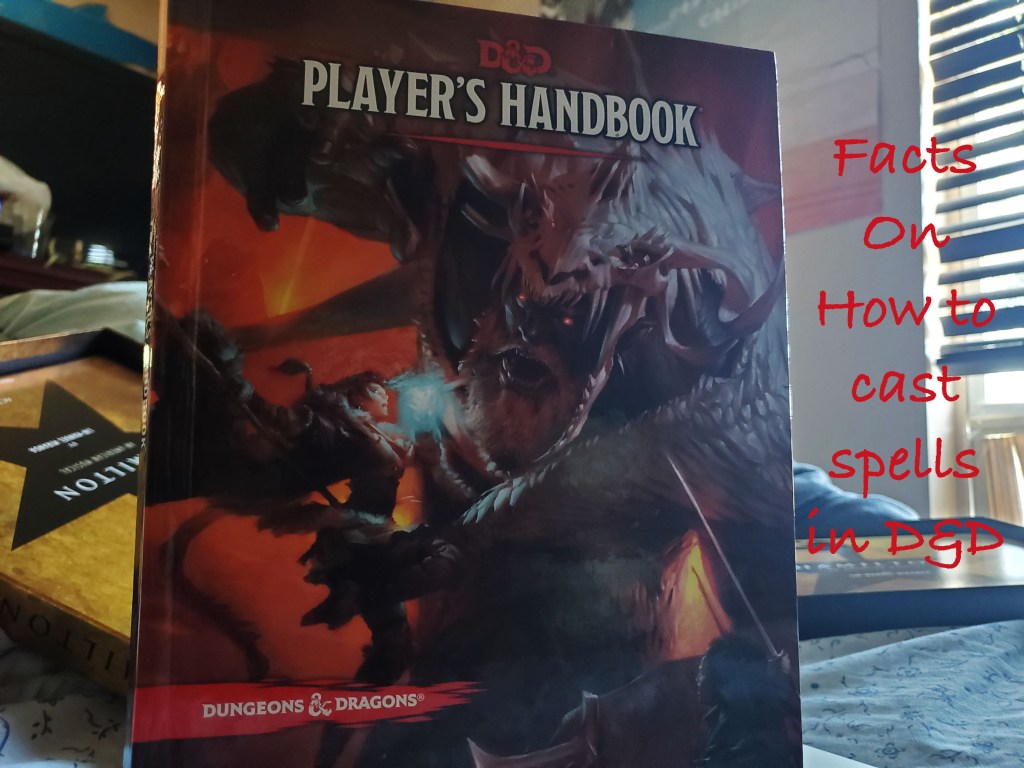
All of the aforementioned can be answered in your D&D books, if you do not have all of the books such as: The Player’s Handbook, Dungeon Master’s Guide, or the Monsters Manual, there are online resources that can be used with out extra cost and from your own smart phone.
Step 5: Have Fun
Being yourself and have fun! Playing D&D is one fo the most eccentric, unique and energetic activity friends can do with one another.
the real world can be complex, hard and often unforgiving, but D&D is one of its many upsides, so as a Dungeon Master you have all the rights to enjoy it, make up silly campaigns, dynamic ones, use memes, Base your campaign off of other fantasy worlds
Star wars D&D, League of Legends D&D, Magic the gathering D&D are just a few examples. Your only limit is your imagination


 Rohan's Blogg